International hybrid symposium · Rapa Nui 2026
Pacific Islands
facing the fire
Community-based experiences to prevent wildfires in island territories.
“Before the great fire, islands can prepare.”
- Wed 22 Jul 2026Nayara Hotel Auditorium
- Haŋa Roa · Rapa NuiIn person + online
- Spanish / EnglishWith rapanui at the opening
Key facts
Everything you need to take part
Date
Wednesday, July 22, 2026
Venue
Nayara Hotel Auditorium, Haŋa Roa, Rapa Nui
Format
In person in Rapa Nui + international online participation
Languages
Spanish and English, with rapanui at the opening and territorial identity
Broadcast
Zoom Webinars and possible institutional streaming on YouTube
In-person seats
Limited. Registration helps manage them.
About the symposium
A practical, participatory and intercultural space
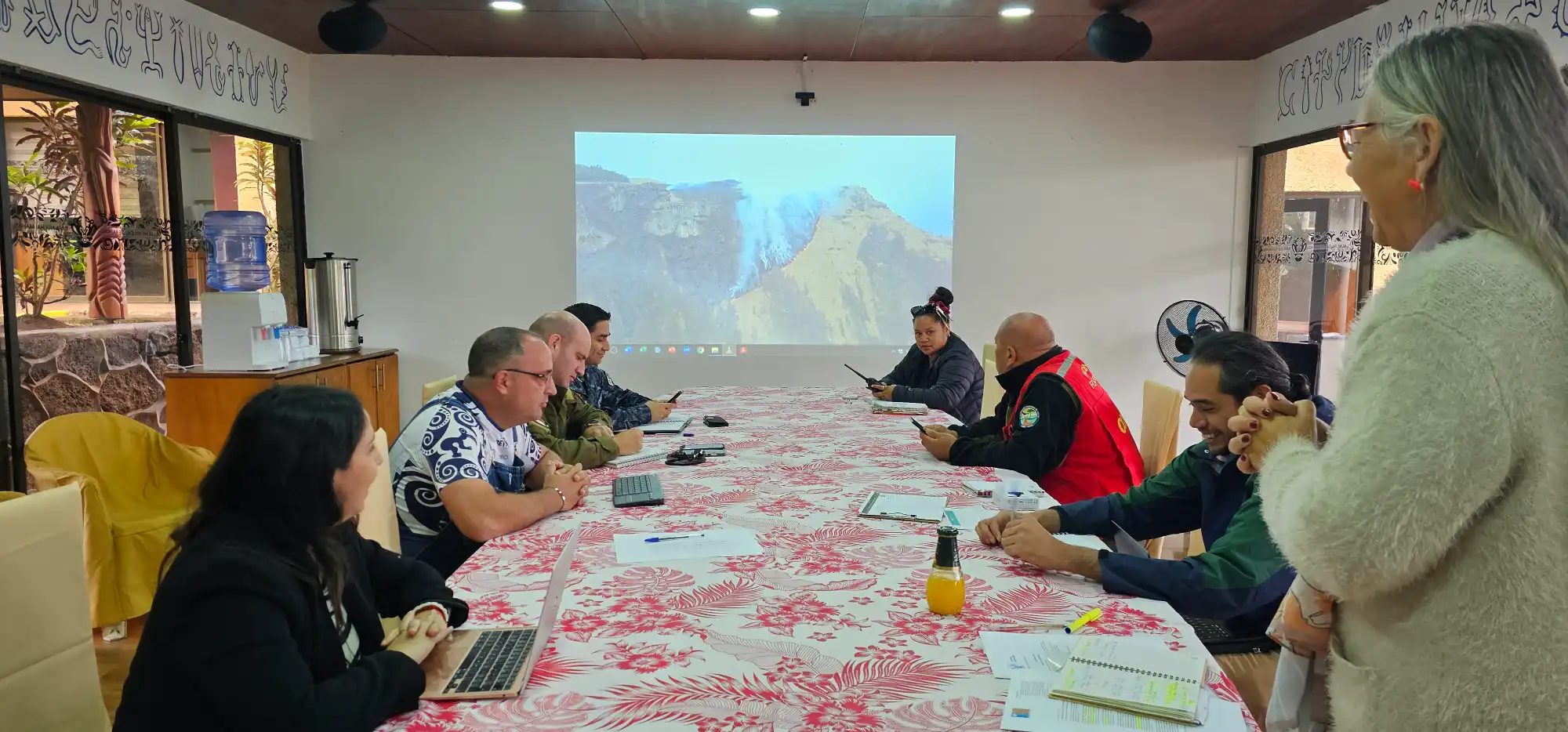
Wildfires are a growing threat to many island territories across the Pacific. In Rapa Nui the risk is linked to drought, combustible vegetation, the urban growth of Haŋa Roa, wind, territorial isolation and the protection of natural and cultural heritage.
This gathering is not meant to be a traditional academic conference, but a space for applied exchange between community, institutions and specialists: what worked, what didn’t, who took part and which lessons can be adapted to Rapa Nui and other Pacific islands.
Why take part
Four reasons to join
Prevent before the emergency
In isolated territories, a major emergency can quickly overwhelm local response capacity. Community preparedness is key.
Learn from other islands
Several Pacific territories have already faced severe fires. Their experiences offer useful lessons to prevent, prepare and respond better.
Protect life, heritage and territory
Fire threatens homes, infrastructure, ecosystems, archaeological sites, cultural landscapes, tourism and territorial memory.
Connect territories with shared challenges
The hybrid format brings Rapa Nui together with experiences from mainland Chile, the Pacific and other territories working on risk management.
Objective of the gathering
Strengthen cooperation among Pacific islands
Create a space for exchange on community-based wildfire prevention in Pacific islands, identifying lessons that can be applied to Rapa Nui.
- Share concrete community prevention experiences.
- Identify good practices adaptable to small, isolated islands.
- Foster dialogue among community, institutions, education, tourism, culture, emergency teams and researchers.
- Strengthen risk communication with clear, useful messages.
- Draft recommendations applicable to Rapa Nui, especially the Haŋa Roa interface.
- Drive a minimum agenda for follow-up and inter-island cooperation.
Thematic areas
Seven views of the same territory
Social fire prevention
Education, shared responsibility and community organization.
Climate change and island risk
Drought, temperature, water and the vulnerability of small islands.
Risk education and communication
Schools, youth, local media, radio and social networks.
Land management
Managing combustible vegetation, plots, firebreaks and planning.
Preparedness in isolation
Community action when local resources are limited.
Appropriate technology
Simple tools for alerts, monitoring and territorial information.
Cooperation among islands
A trans-Pacific network for community-based prevention.
Wednesday, July 22, 2026
Symposium Program
Local, national and international experiences to strengthen community wildfire prevention across island territories.
Registration and welcome
Attendee registration and check-in
Welcome and presentation of the program
Official greetings · Overview of the day · General information.
Local and National Experiences
Introduction of speakers
The wildfire situation in Rapa Nui
When a wildfire happens close to your home
A personal account of a wildfire near her home and lessons learned about family and community preparedness.
Prepared School: building a culture of prevention from childhood
The Prepared School, Protagonists of Change and Agents of Change programs promote environmental awareness and wildfire prevention.
Noho Mata Moko Prepared Community: organizing to live with risk
The experience of one of Rapa Nui’s first Prepared Communities and the importance of neighborhood organization in high-risk areas.
The role of community organizations in protecting the territory
The contribution of local organizations to sharing good practices and building resilient communities.
“Canal Chacao” Prepared Community – Valparaíso Region
A successful community experience in wildfire preparedness and prevention.
The critical importance of partnering with your neighbors
Discussion panel and questions from the audience
Questions for each speaker.
Brunch
International Experiences from the Pacific
Introduction of the international panel speakers
Hawaiʻi, United States
Collaboration and education with communities in Hawaiʻi.
Samoa
Coordination of prevention and adaptation efforts for natural disasters, including wildfires.
Aotearoa
Research and development for wildfire prevention and response.
Aotearoa
Wildfire response in Aotearoa and broader wildfire prioritization.
Melbourne, Australia
Technology and technological tools for wildfire prevention.
Melbourne, Australia
Paleoclimate research on the use of fire by Indigenous groups in Australia.
International question-and-answer panel
Final reflections and participant networking
Final reflections and key messages
Closing remarks from the organizers
Closing reception
Networking among participants.
Program duration: 12:00–18:00.
Who can take part
An event open to the whole territory
- The Rapa Nui community
- Families, residents and property owners
- Territorial organizations and neighborhood associations
- Educational institutions
- Youth, teachers and students
- Tourism sector, lodgings, guides and operators
- Indigenous, cultural and environmental organizations
- Public institutions
- Emergency teams, firefighters and brigade members
- Specialists, researchers and international online participants
Hybrid format
Bridge the distance, connect experiences
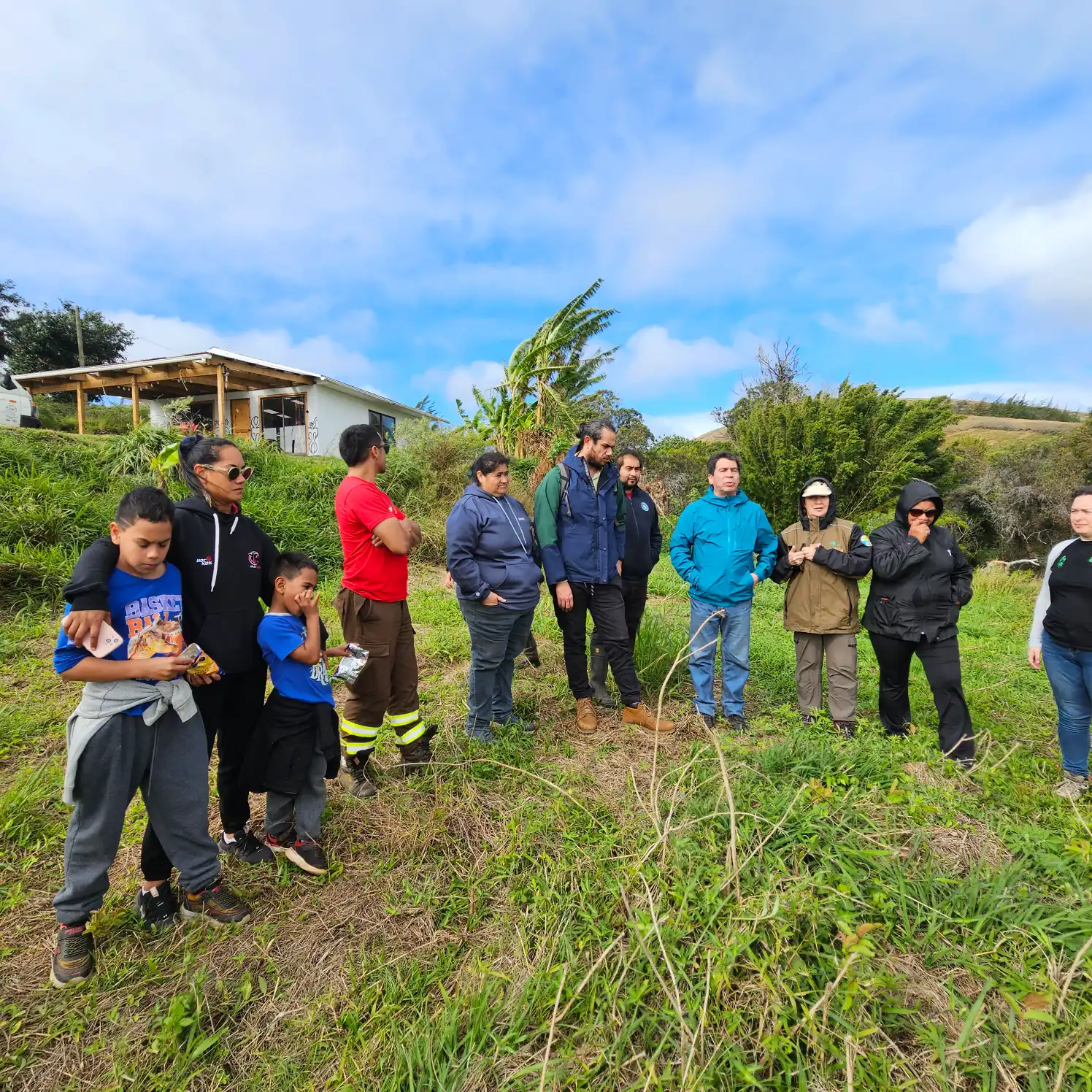
The gathering combines in-person participation in Haŋa Roa with online connection of speakers, attendees and institutions from across the Pacific, overcoming barriers of distance and cost.
There will be participation via Zoom Webinars, digital moderation, questions from the room and the chat, audiovisual recording and possible institutional streaming on YouTube.
Expected outcomes
What remains after the symposium
- Recommendations document for Rapa Nui
- Haŋa Roa Declaration
- Summary video
- Educational capsules
- Audiovisual recording of the gathering
- Contact directory
- Digital folder with materials
- Follow-up plan at 3, 6 and 12 months
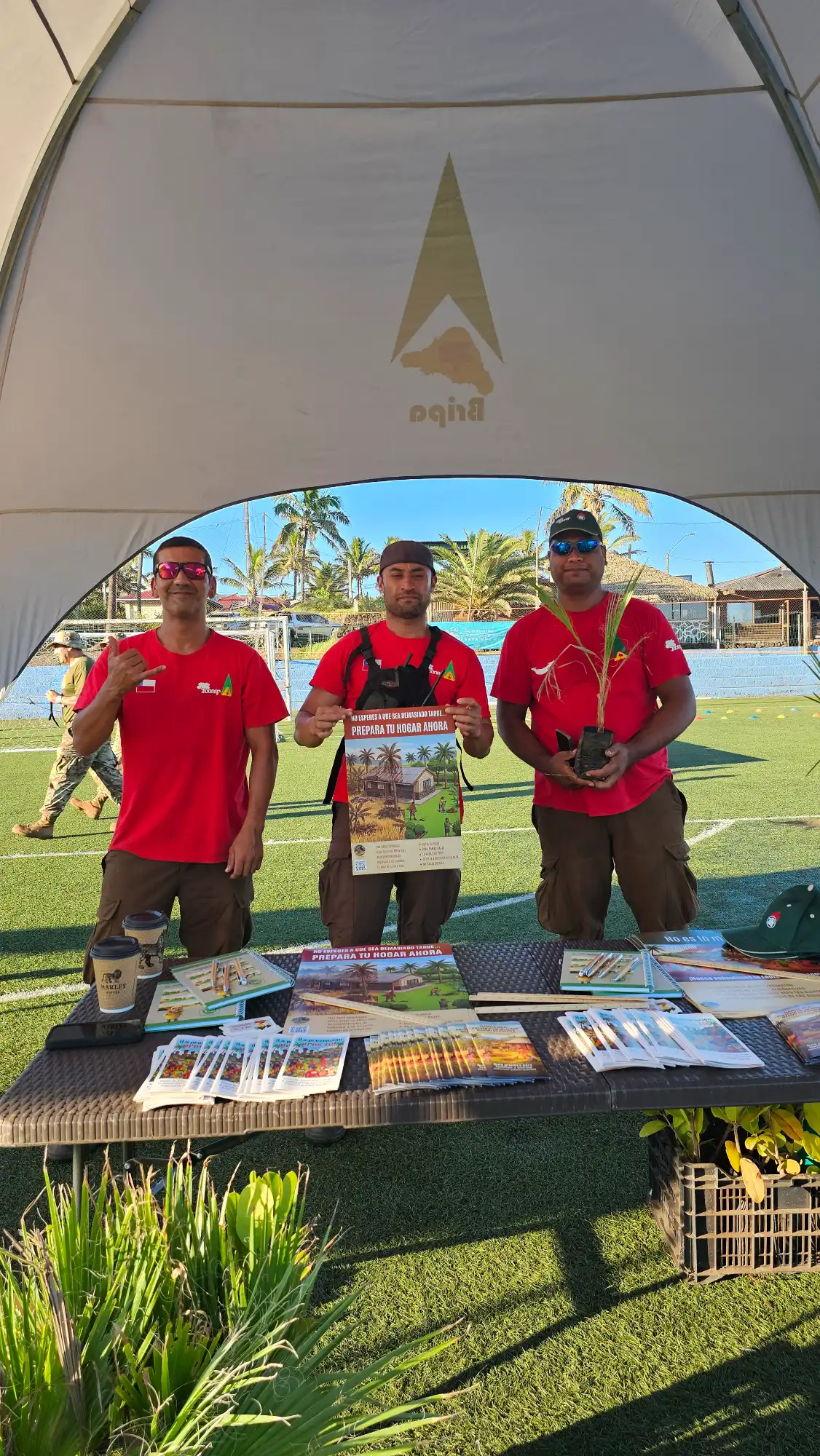
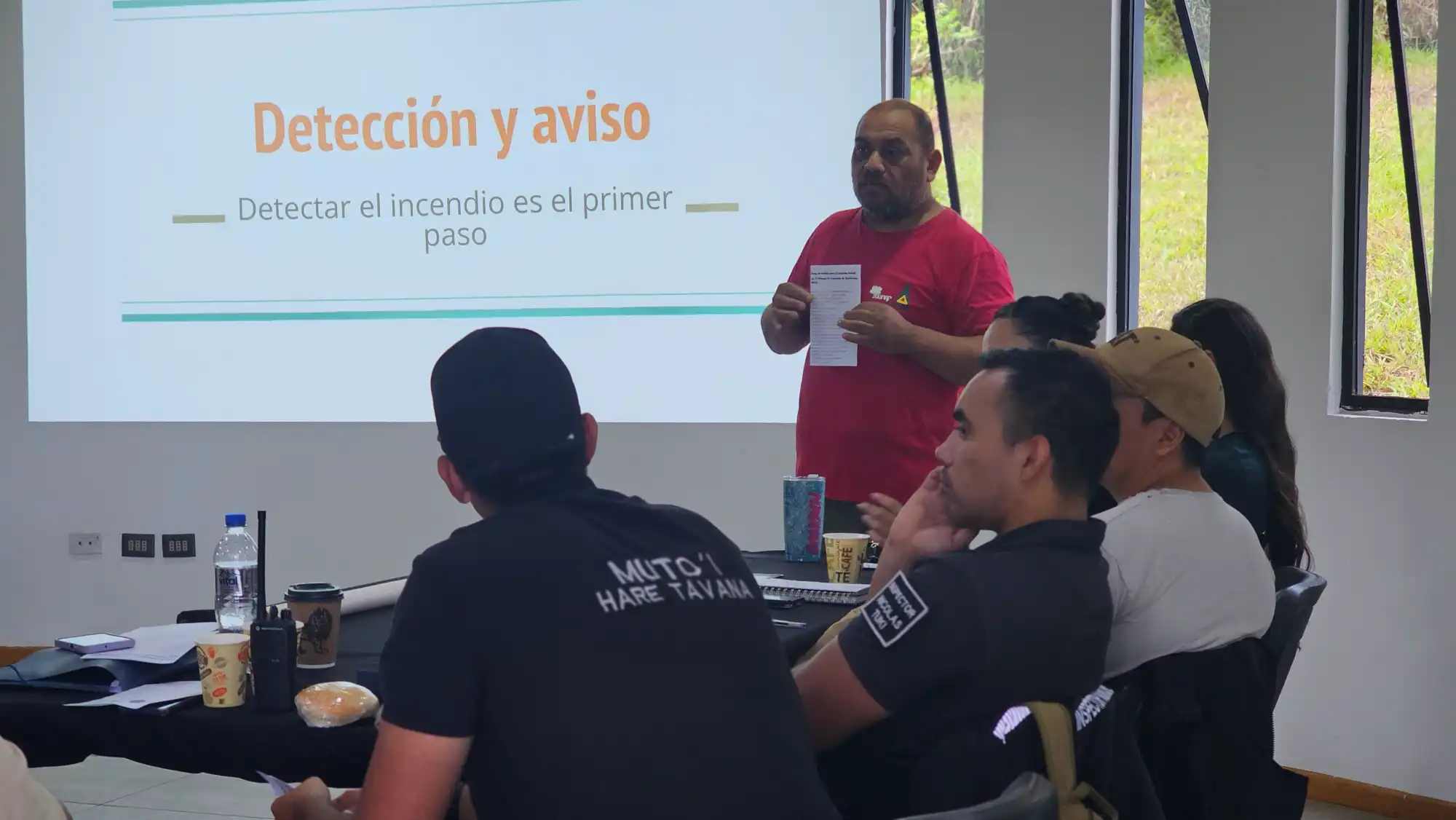
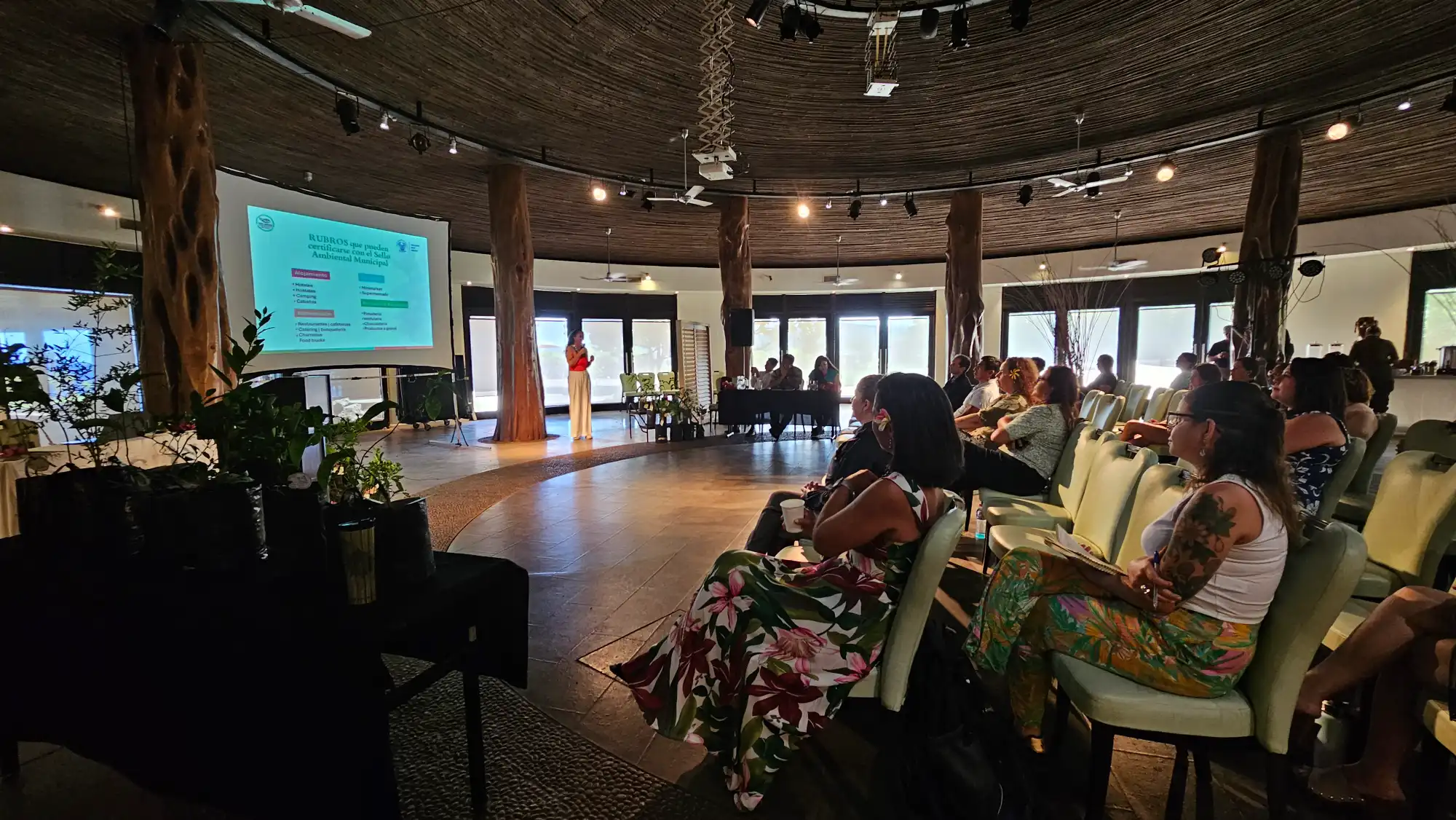
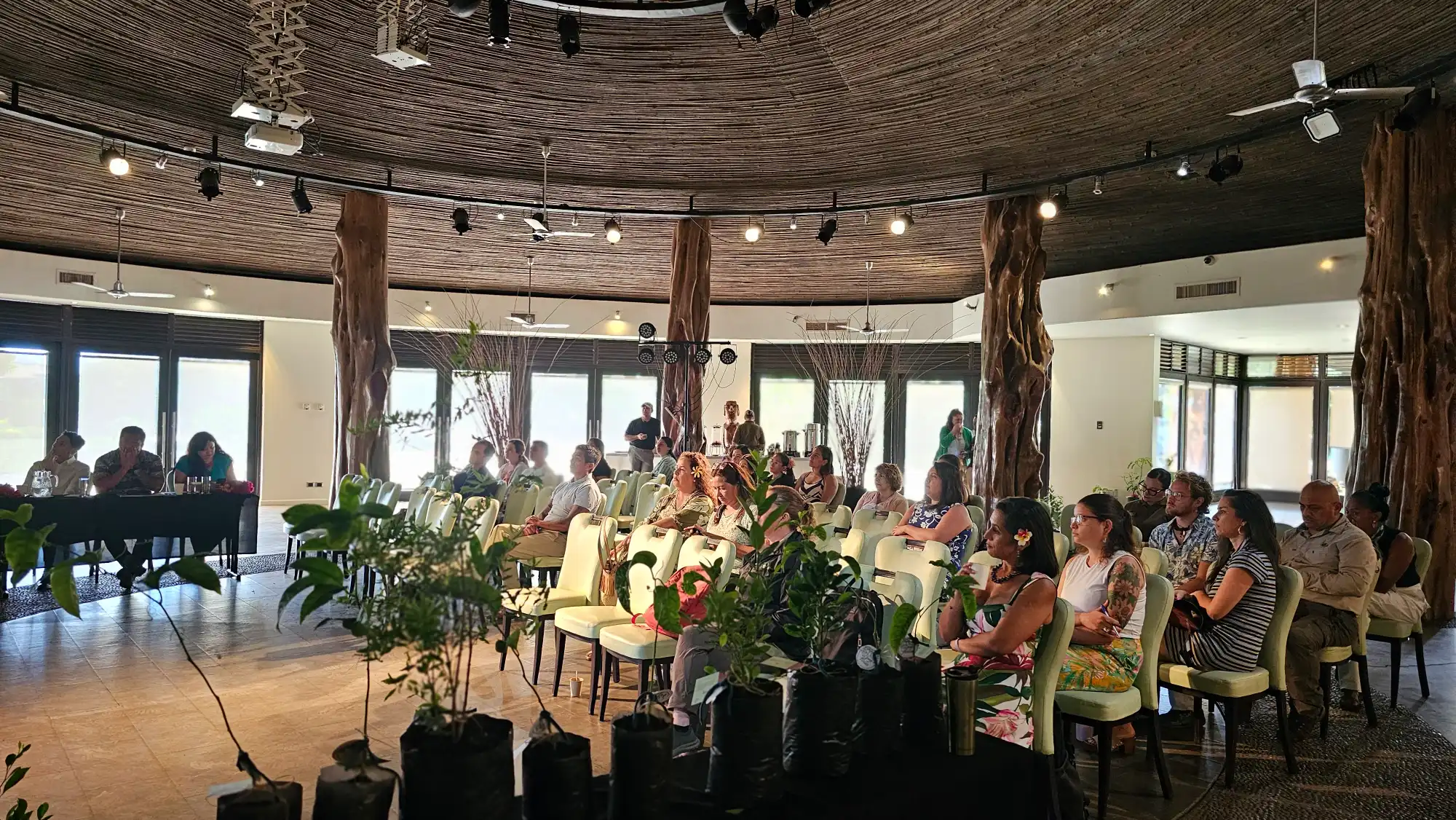
Territory and community
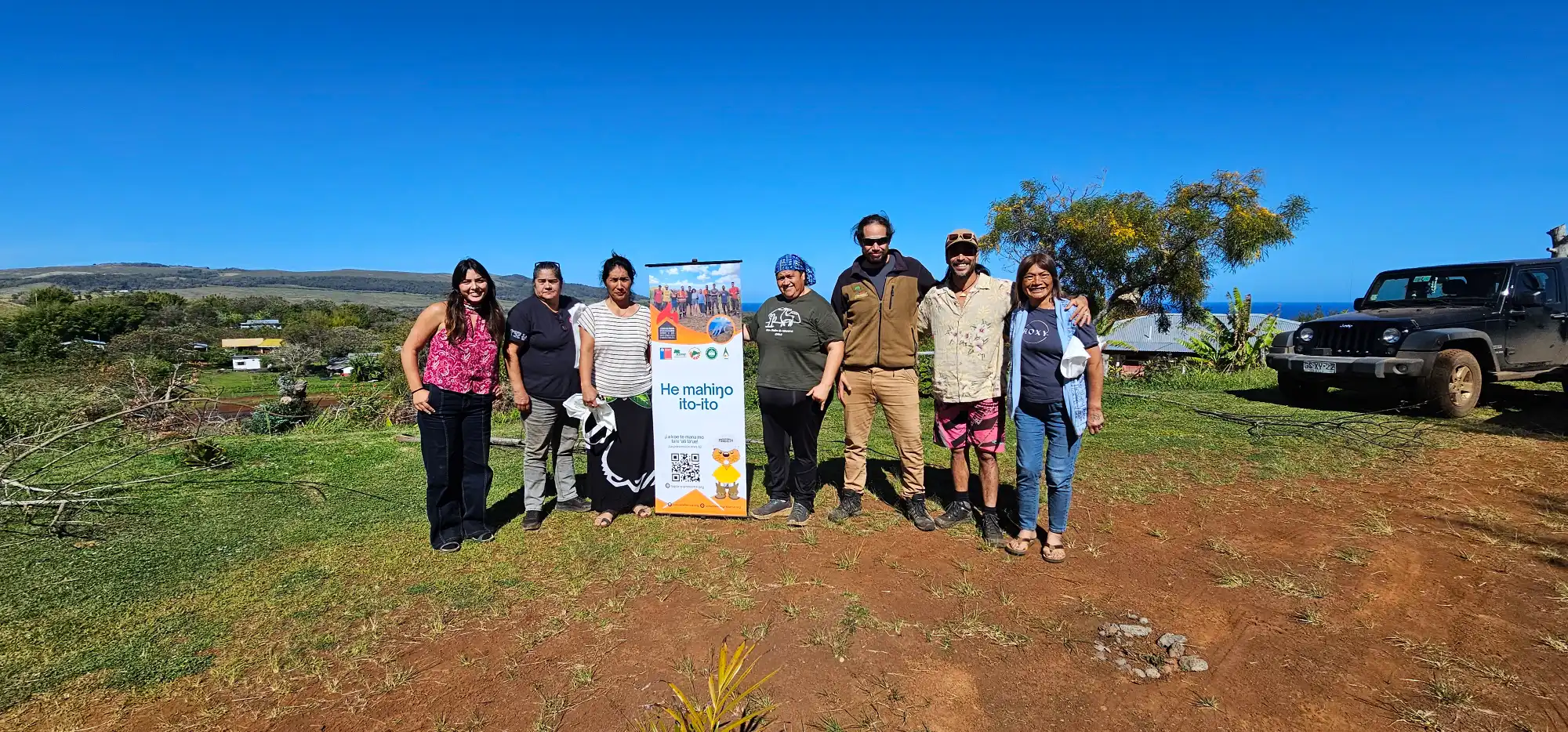
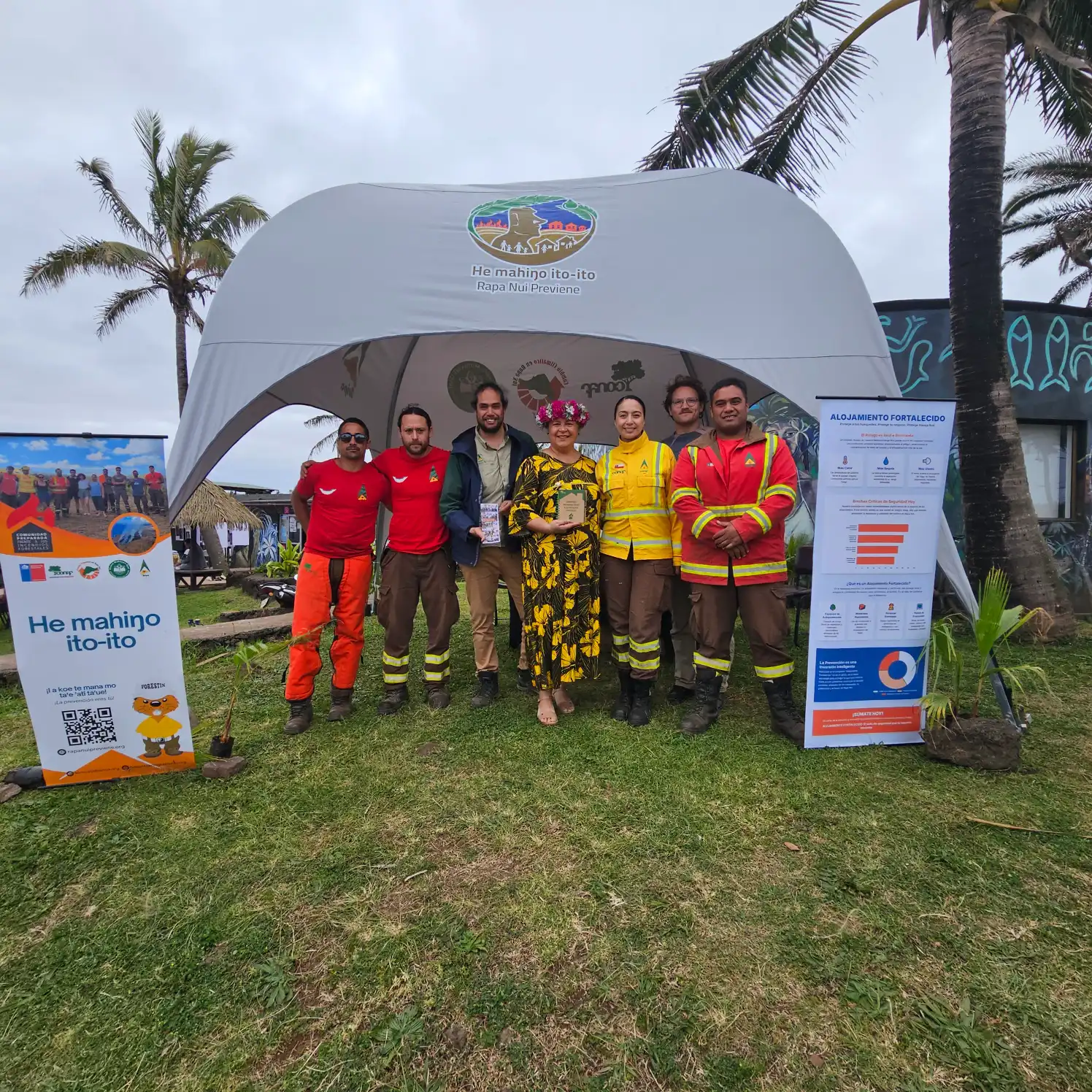
The place we aim to protect
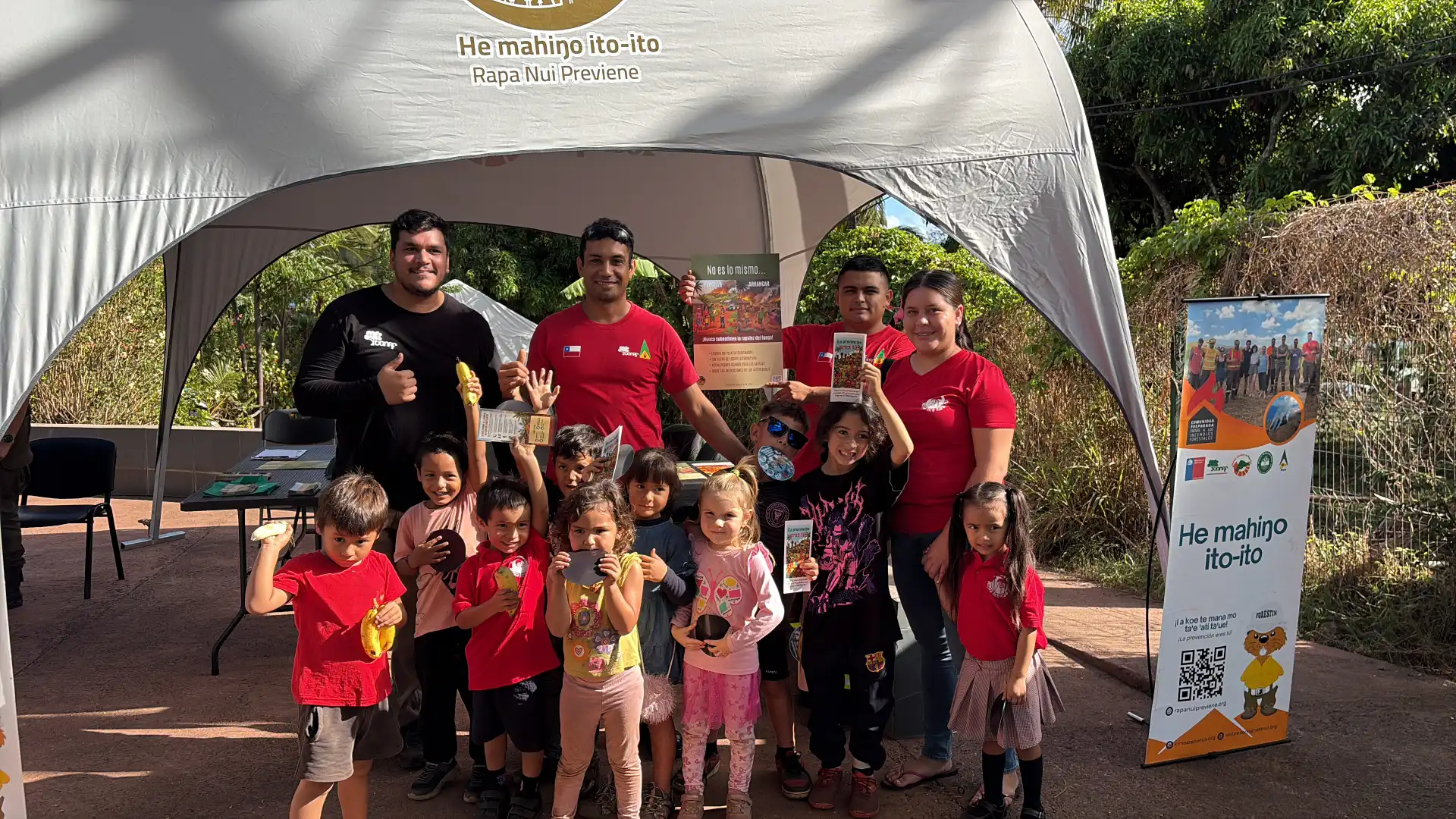
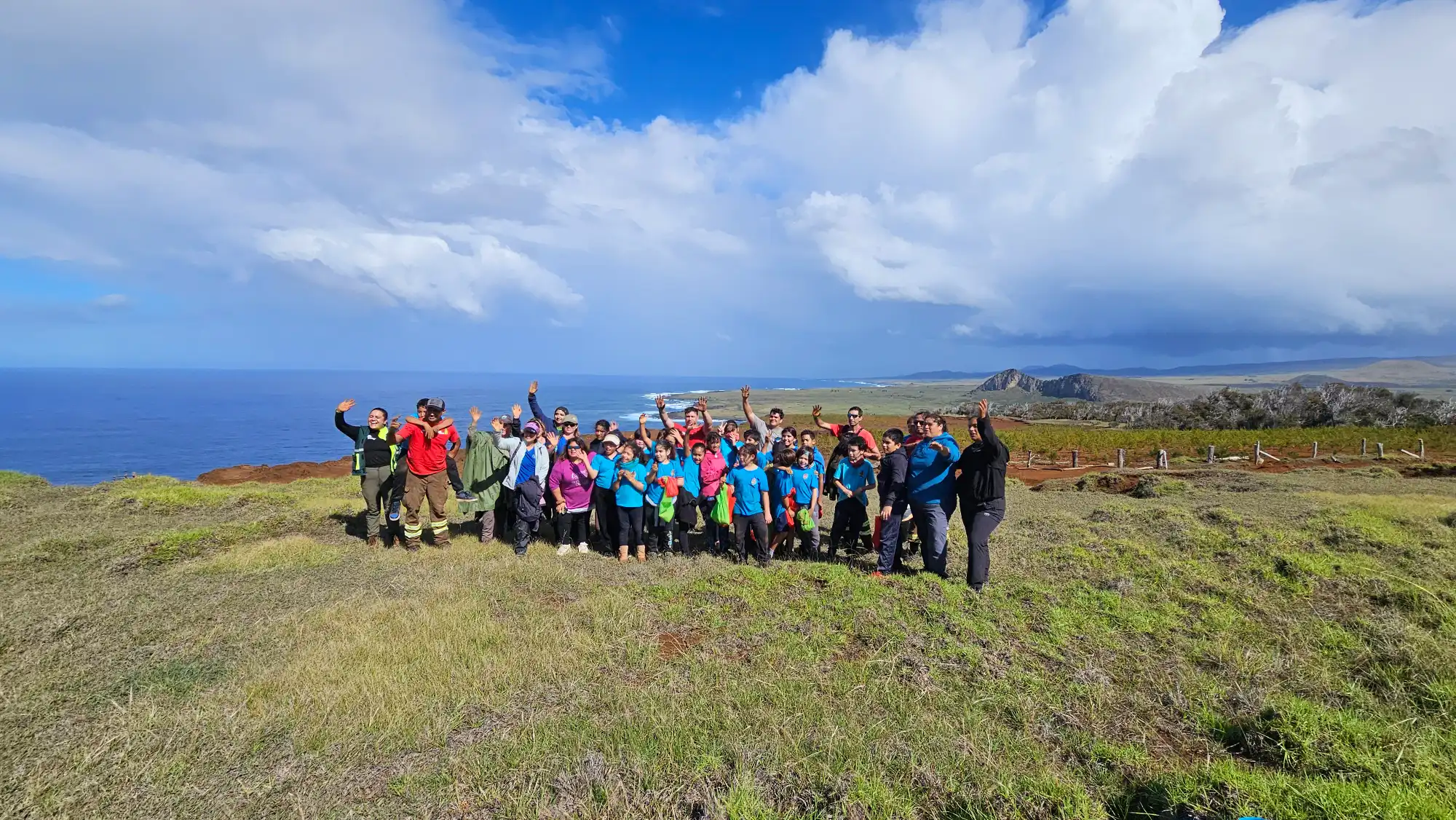
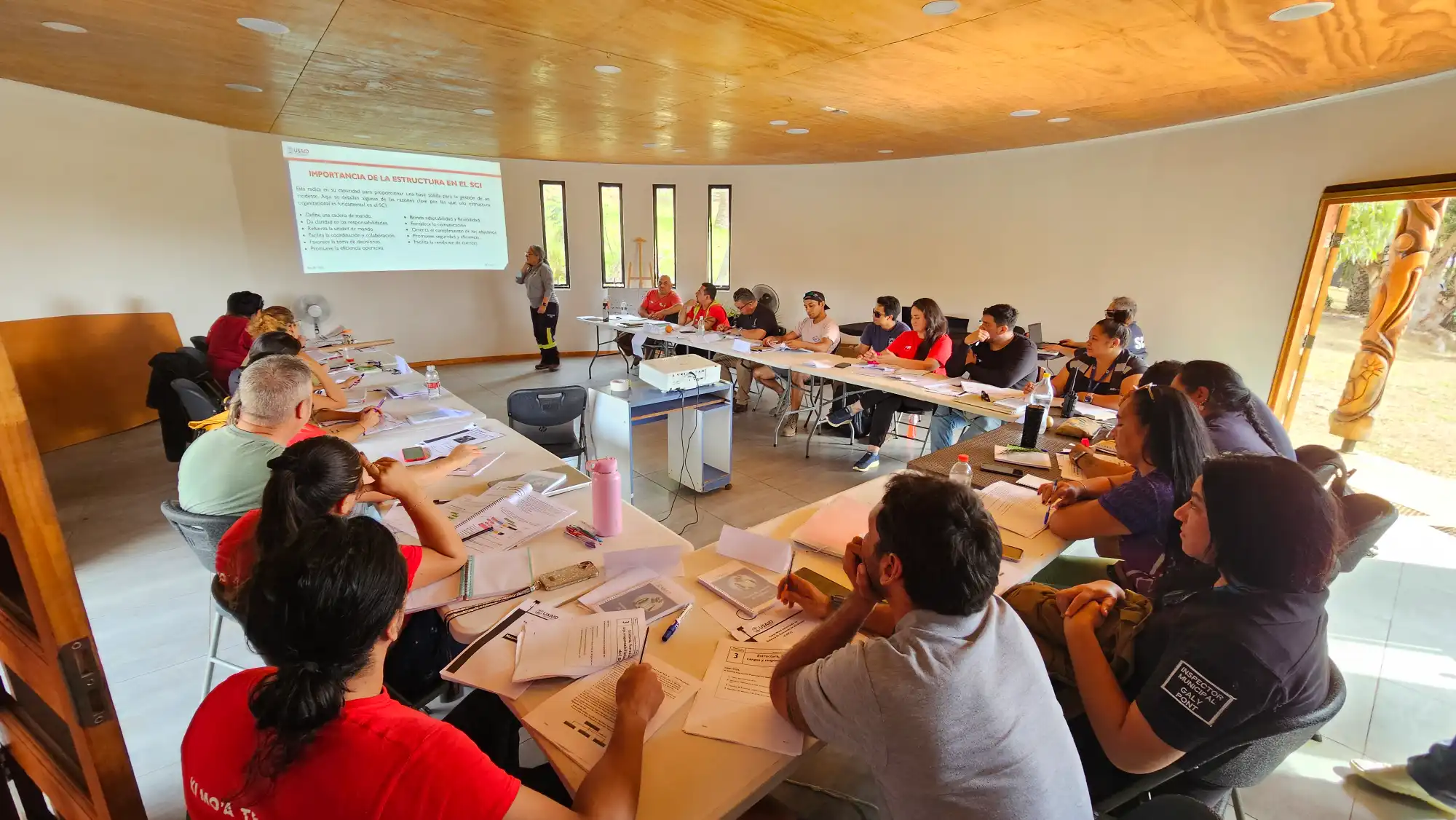
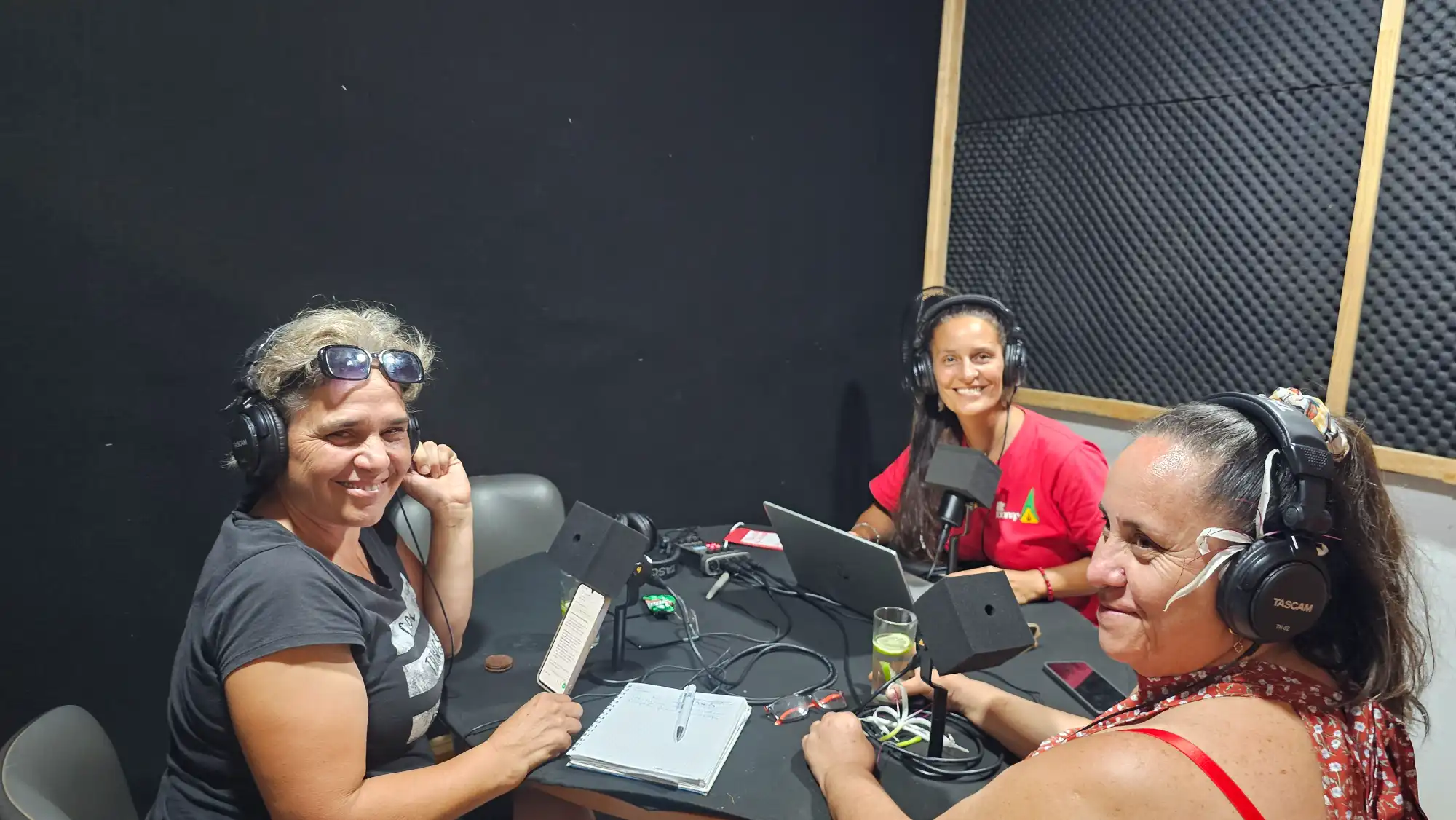
Frequently asked questions
Before you register
Will the symposium be in person or online?
It will be hybrid: in person in Haŋa Roa and online for speakers, attendees and institutions from other territories.
Who can take part?
Community members, territorial organizations, public institutions, the education, tourism, culture and heritage sectors, emergency teams, specialists and researchers.
Is there a cost to take part?
The organizers will confirm this. Registration allows seats to be managed and updates to be sent.
Will there be translation?
Spanish and English are planned as working languages, with interpretation depending on the profile of the international speakers.
Will the event be recorded?
Yes. An audiovisual record is expected in order to produce later materials, such as a summary video, educational capsules and recommendation documents.
Why is it held in Rapa Nui?
Because Rapa Nui faces specific challenges linked to climate change, drought, combustible vegetation, territorial isolation, the urban growth of Haŋa Roa and the protection of its natural and cultural heritage.
Registration
Preventing before the emergency
is a community decision
Rapa Nui calls on the Pacific to share experiences, strengthen local capacities and protect life, heritage and territory. In-person seats are limited.